









Walk into almost any food bank in America and you'll see the same thing: canned soup, boxed pasta, shelf-stable meals. Food that keeps and that easily travels. Food that gets the job done, but barely gets the job done.
Fresh produce is a different story.
For the 48 million Americans facing food insecurity, including one in five children, the gap between what food banks can provide and what families actually need is widest right there. Most fresh food arrives at or near its "best by" date, nutritionally depleted and already bruised. Winter creates seasonal gaps and food deserts compound everything. The result is that families in crisis receive processed food far more often than the fresh fruits and vegetables their bodies need.
Indoor vertical farming is changing this issue.
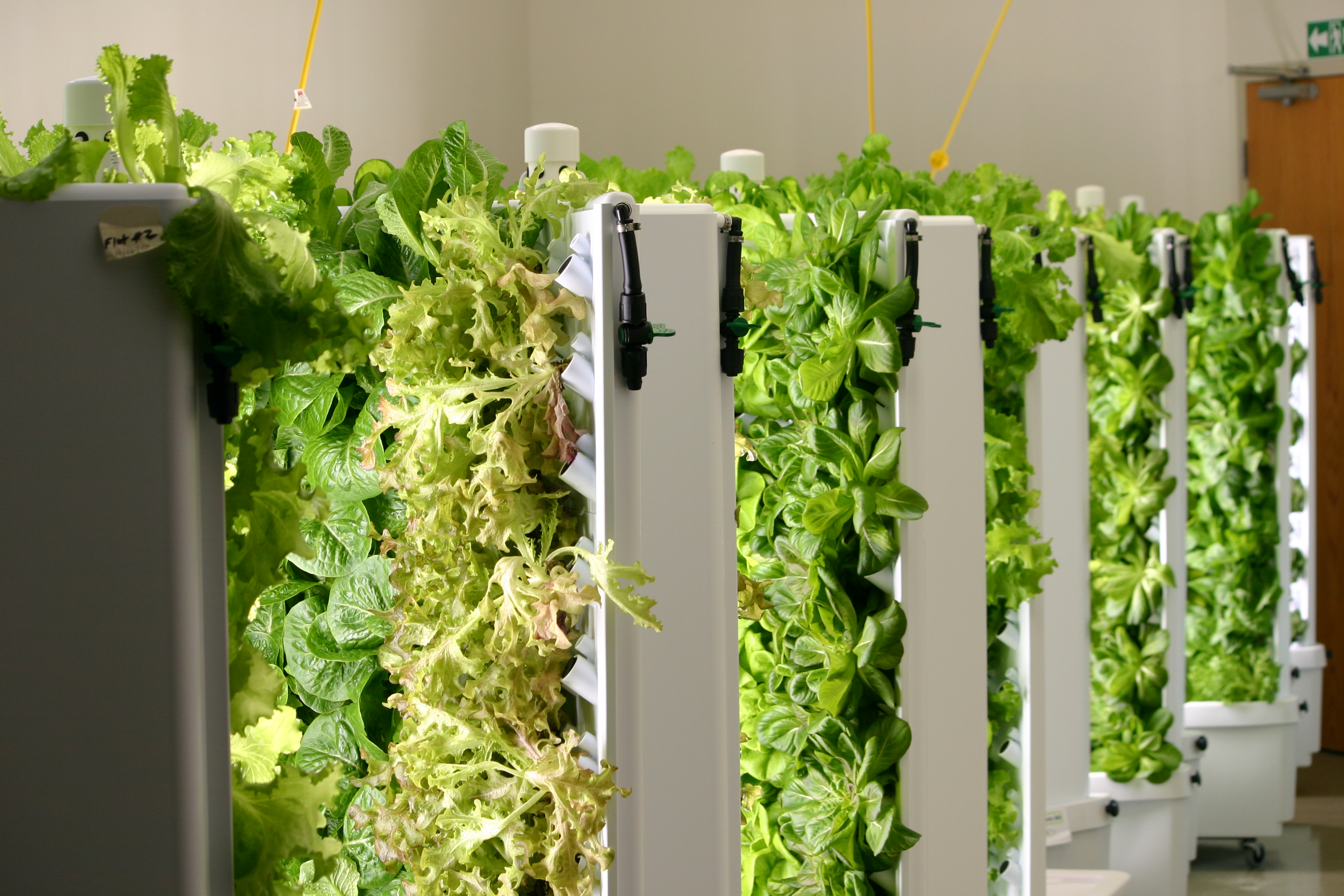
Indoor vertical farms grow crops in stacked layers inside a controlled environment, using hydroponics, which is the farming practice of growing food in nutrient-rich water instead of soil. No pesticides or off-seasons. No dependence on whether a donation truck shows up.
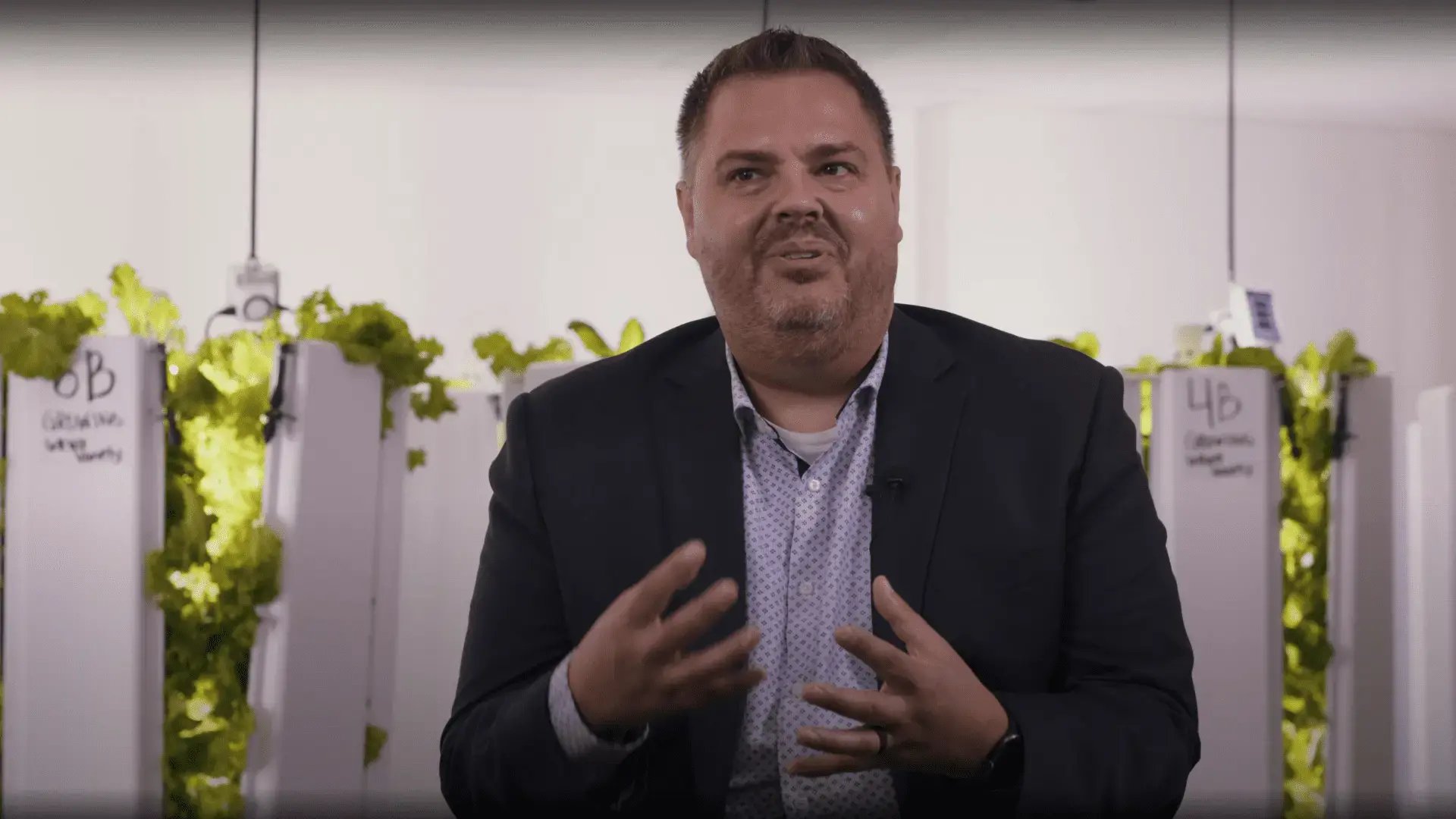
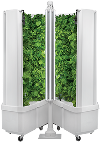
Systems like the Flex Farm from Fork Farms are designed to fit inside existing buildings such as a spare room, a warehouse corner, or an underused hallway. They run off a standard electrical outlet. One unit produces around 3,400 plants per year, uses 90 percent less water than conventional farming, and can be operated by volunteers with zero farming experience.
The result of using Flex Farms is consistent, high-quality harvests on a year-round basis.
Why Vertical Farms Work for Hunger-Relief Organizations
Food banks are not farms, and they shouldn't have to become one. Growing on-site means controlling your own supply, harvesting what you need, when you need it, without waiting on donations of uncertain quality. Produce distributed the same day it's harvested retains far more nutritional value than food that's traveled on a long supply chain. For clients managing chronic conditions like diabetes or heart disease, that difference is meaningful.
Vertical farming also creates a visible, living expression of an organization’s mission. People connect with a farm in a real, engaging way.
At Fork Farms, we believe that growing fresh food shouldn't require acres of land, perfect weather, or proximity to a farm. It just requires the right technology and the right mission behind it. That's why we're proud to see hunger-relief organizations across the country proving what's possible when vertical farming meets community needs.
Here are some powerful examples of what that looks like in practice.
Greater Chicago Food Depository: Year-Round Greens for Cook County
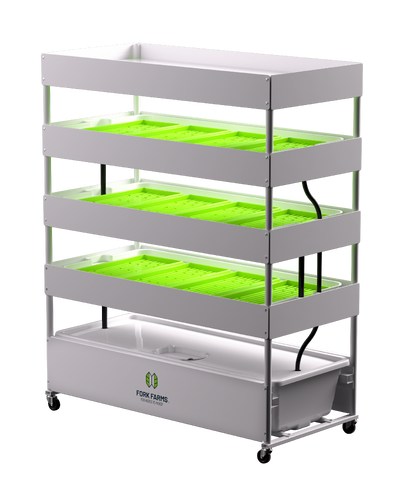
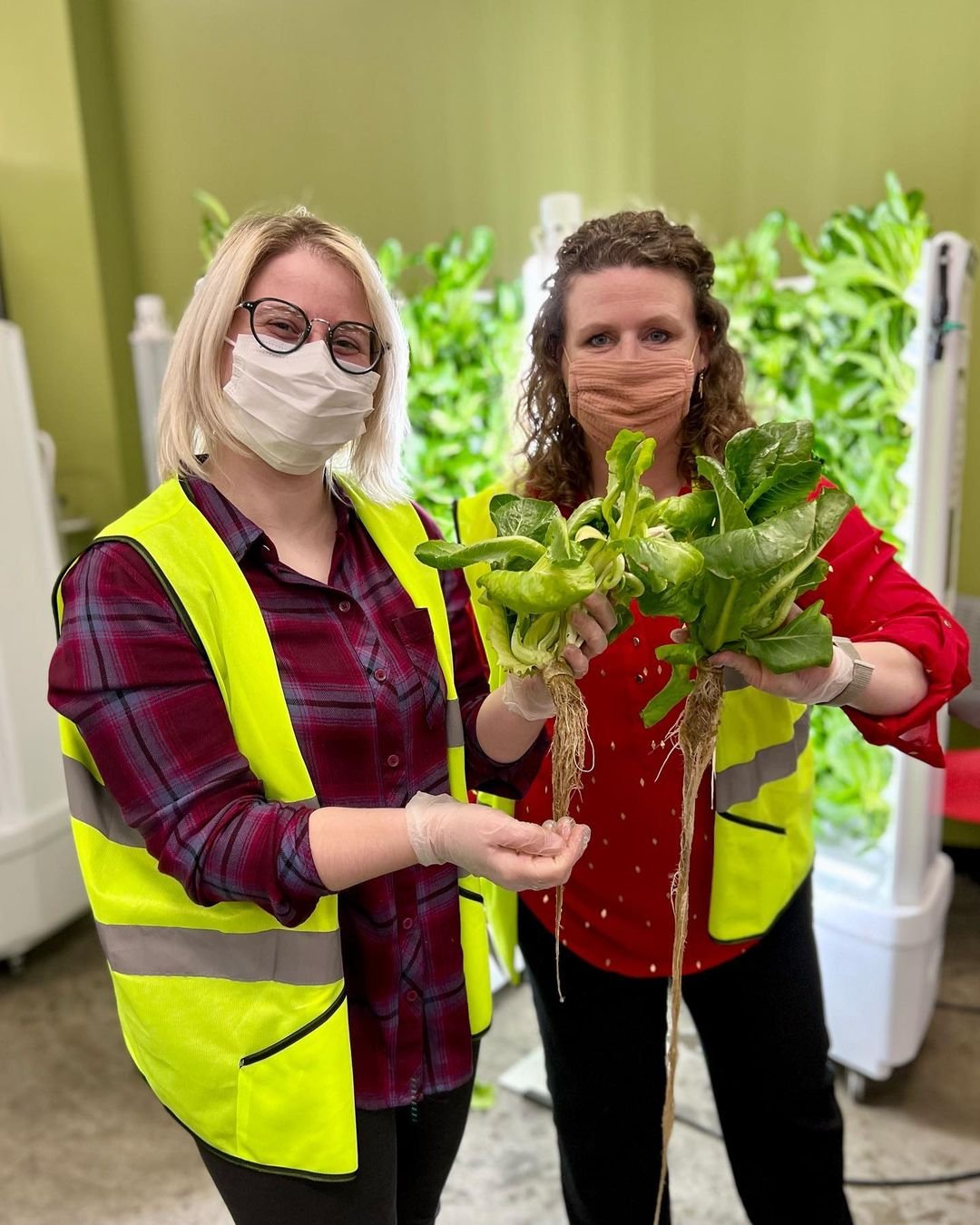
The Greater Chicago Food Depository uses Flex Acres and a Flex Micro to grow fresh food and microgreens no matter what month it is. What makes this especially meaningful is the consistency it creates. Controlled-environment growing means no bad seasons, no crop failures, no gaps in supply. Their neighbors in Cook County get access to fresh, reliable produce year-round, not just when the weather cooperates.
Operation Food Search: Two Farms, Thousands of Families
In St. Louis, Operation Food Search received two Flex Farms, made possible through a partnership between Fork Farms and United Healthcare Community Plan of Missouri. Each farm grows lettuce and leafy greens continuously, reaching close to 2,000 families per year with a harvest of 3,400 plants per farm. Many of the families Operation Food Search serves live in food deserts. Having Flex Farms on-site changes that equation entirely. The Flex Farms are growing fresh food that wouldn't otherwise exist for these families.
When you control the growing environment, you control the nutrition. This is imperative when you're serving families who are already navigating so much. Fresh food doesn't have to be a luxury. With the right tools and the right partners, it can be something every community has access to every single day of the year.
The Flex Farm, Flex Acre and Flex Micro were built from the ground up for institutional settings such as schools, food banks, and nonprofit organizations where reliability and simplicity are non-negotiable. Our suite of technology products includes onboarding support and access to Farmative, our community platform connecting operators across the country. Most organizations are up and running within a few weeks.
Fresh produce shouldn't be a luxury for families in crisis. With indoor vertical farming, it doesn't have to be. If your organization is looking to grow more, reach more families, and make fresh food a constant rather than a seasonal hope, we'd love to talk. You can also learn more about why hydroponic gardens are a great idea for food banks and communities here.
Important Links: