










Growing Gratitude: How Food Banks, Fresh Food, and Community Come Together During the Holidays
The holiday season is a time of gratitude, generosity, and gathering around the table. For many of us, that table is full. But for millions of families across the country, the holidays can be an especially difficult reminder of food insecurity and limited access to fresh, nutritious food.
At Fork Farms, this season invites us to celebrate the organizations, volunteers, and donors working tirelessly year-round to ensure that everyone has access to nourishing food. Food banks sit at the heart of this effort, and innovation is helping them bring more than just calories to the communities they serve.
The Reality Food Banks Face
Food banks function as large-scale distribution hubs, collecting donated food and supplying food pantries that directly serve families in need. While the vast majority of donated items come from large grocery retailers and manufacturers, much of it is shelf-stable and highly processed. When fresh food does make its way into the hunger relief system, it has often passed peak freshness — meaning shorter shelf life and lower nutritional value.
Fresh produce presents unique challenges: it bruises easily, spoils quickly, and requires careful handling. Yet access to fresh fruits and vegetables is critical for health, especially for seniors, children, and individuals managing chronic diseases. This has prompted a growing movement within hunger relief organizations to rethink how fresh food is sourced, grown, and distributed.
Creativity Is Key to Feeding Communities Well
Across the country, food banks are using creative, community-centered strategies to improve access to fresh food, including:
- Purchasing produce directly from local farmers in season — including “seconds” that may look imperfect but are nutritionally sound
- Encouraging growers and home gardeners to plant extra rows specifically for donation
- Leveraging federal nutrition programs like SNAP and WIC to empower families to purchase peak-quality foods
- Supporting “double bucks” farmers market programs that stretch food dollars further
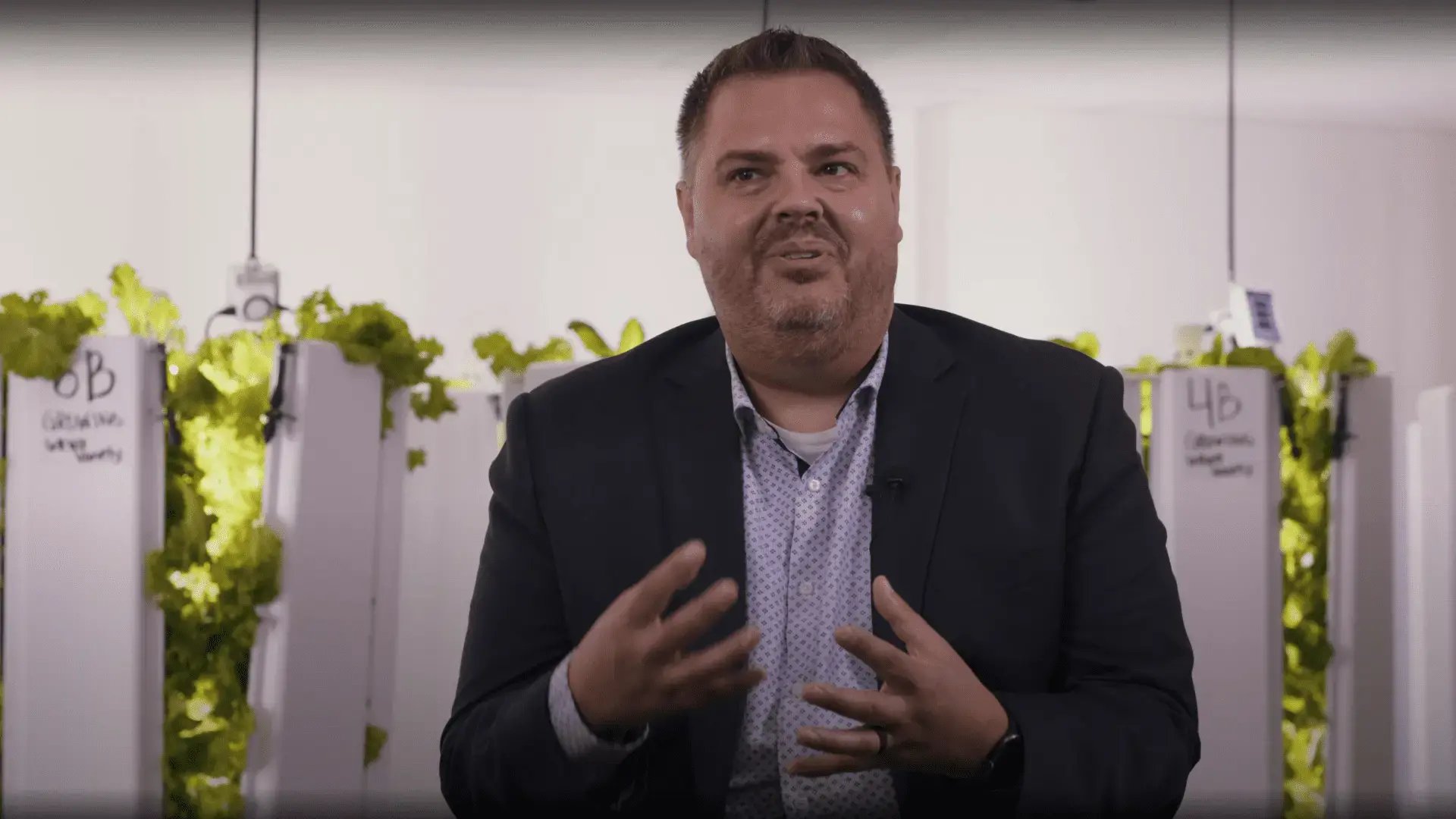
- Growing food onsite using indoor hydroponic systems — ensuring freshness, reliability, and year-round access
Together, these approaches help reimagine food banks not only as distribution centers, but as sources of nourishment, dignity, and community resilience.
Growing Food, Growing Hope
Hydroponic growing systems have emerged as a powerful tool for food banks — especially during the holidays, when demand rises, and fresh food donations decline.
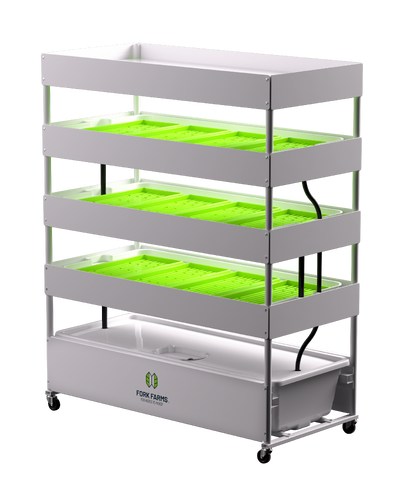
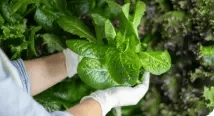
Growing food onsite is often described as “giving a fishing pole instead of a fish.” Hydroponics allows food banks to cultivate fresh, nutrient-dense produce indoors, regardless of weather, season, or location. Vertical systems maximize space, grow food quickly, and provide consistent harvests of leafy greens, herbs, tomatoes, peppers, and more.
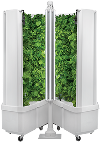
Beyond the harvest, these farms offer education, volunteer engagement, job training, and cost savings — while reducing transportation and storage challenges. A single Flex Farm, for example, can grow up to 25 pounds of fresh lettuce every 28 days using only nine square feet of space.
Real Impact, Real Communities
This work isn’t theoretical — it’s happening every day.
In Bridgeport, Connecticut, nOURish BRIDGEPORT operates the state’s first nonprofit indoor hydroponic farm, growing fresh produce 365 days a year in a USDA-designated food desert. What began with four Flex Farms has grown into a thriving farm with 25 Flex Farms and a Flex Acre, producing 150 pounds of fresh food each week for neighbors in need. Their work supports public health, education, medical research, and financial sustainability — all rooted in access to fresh food.
In Wisconsin, Ozaukee Food Alliance uses Flex Farms to ensure families leaving their pantry have fresh greens, tomatoes, and peppers — food that lasts longer, tastes better, and fills a nutritional gap many families face. In Menasha, St. Joseph’s Food Program grows hyper-local produce onsite and distributed more than 3.5 million pounds of food in 2024 alone, impacting more than 30,000 people.
A Season For Giving - And Growing
The holidays remind us that food is more than sustenance; it’s connection, comfort, and care. While generosity often peaks this time of year, hunger does not follow a calendar. Thanks to innovation, partnerships, and the commitment of food banks nationwide, more communities are gaining access to what everyone deserves: fresh, healthy food grown with intention.
This season, we’re deeply grateful for the food banks, growers, volunteers, donors, and partners who show up every day to nourish their neighbors. Together, we are growing more than food — we are growing hope.
From all of us at Fork Farms, thank you for giving back, supporting fresh food access, and helping communities thrive during the holidays and all year long.
Important Links: