








From edible flowers and lettuce pants to innovative student projects, Fork Farms celebrated the next generation of agricultural leaders in Indianapolis.
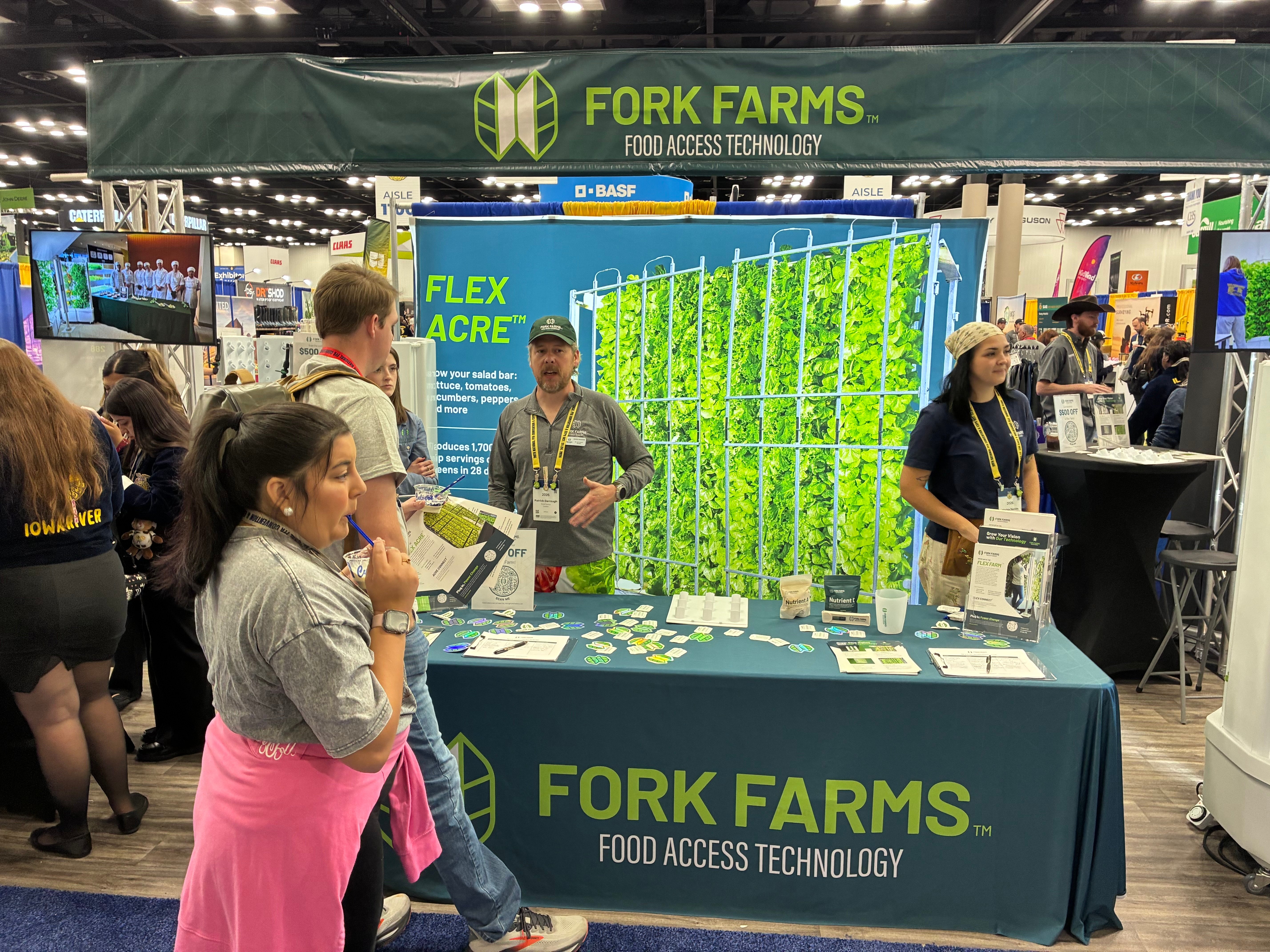
Nearly 73,000 students, educators, and supporters gathered in Indianapolis for the 99th National FFA Convention & Expo, October 21–24, 2026. And if the energy at the Fork Farms booth was any indication, the future of agriculture is in good hands!
This year's theme, Evolve, Engage and Empower, came to life as students from across the country explored new technologies, shared ideas, and discovered opportunities to shape the future of food and agriculture.
For the Fork Farms team, it was an exciting few days of hands-on growing, meaningful conversations, and a whole lot of enthusiasm for fresh food.
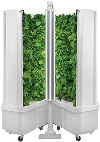
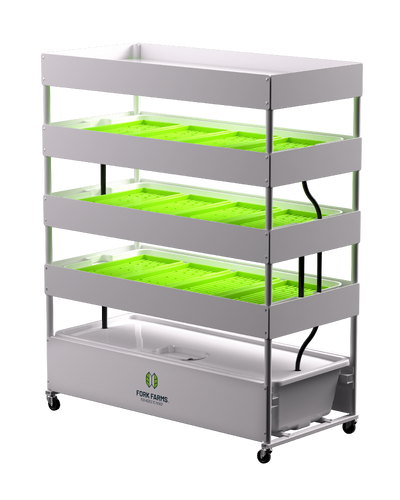
Our booth was buzzing throughout the convention as students stopped by to see our Flex Farm hydroponic growing systems in action. We showcased fresh lettuces and edible flowers, giving visitors a firsthand look at the possibilities of growing fresh food indoors.
Students also watched as our team transplanted seedlings into the Flex Farms, demonstrating one of the key steps in the growing process and how easy it can be to get started with hydroponics.
And then there were the lettuce pants! Yes, you read that right. Our team's leafy green fashion statement brought plenty of smiles and sparked some fun conversations.
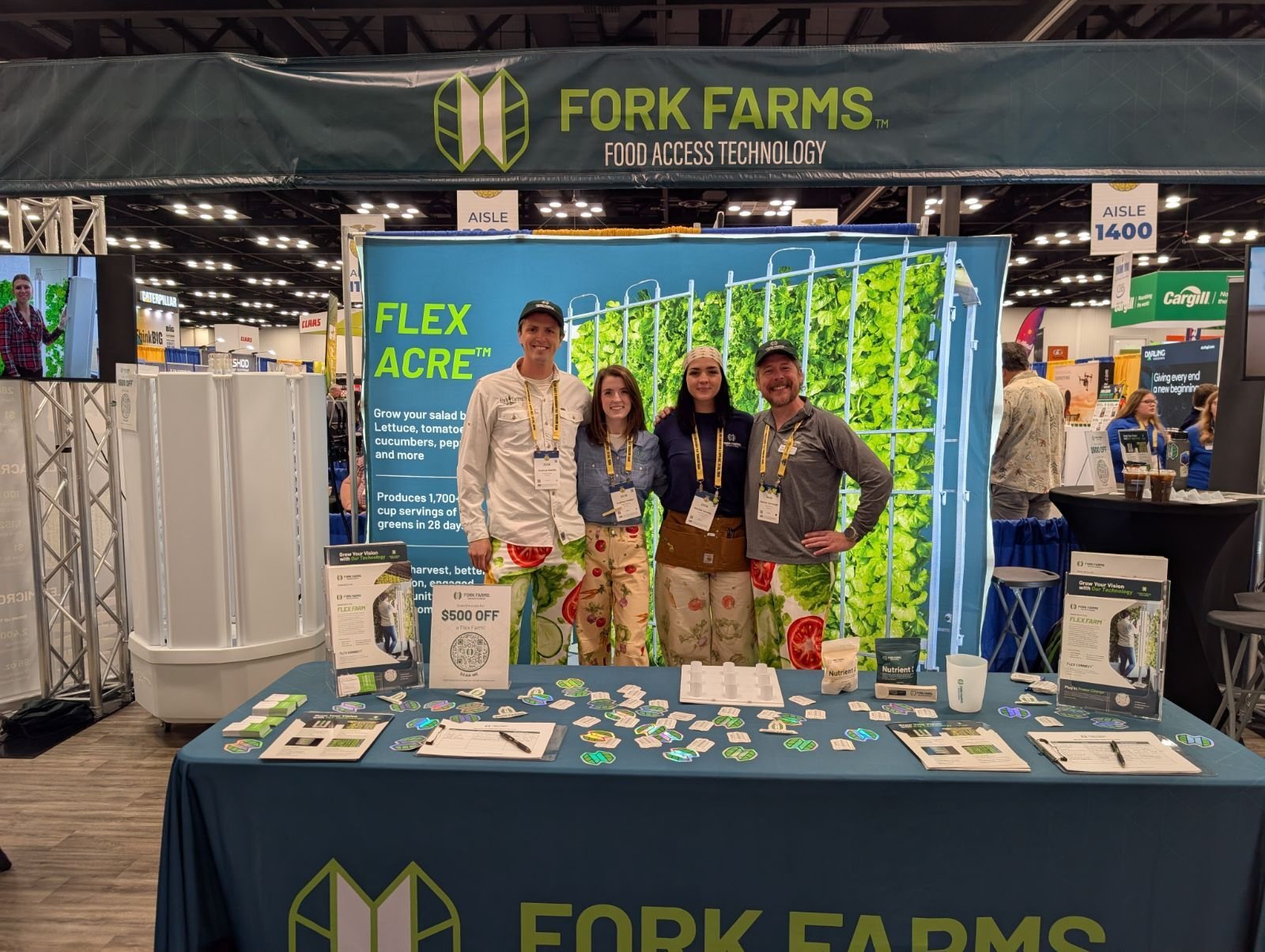
We also happened to be neighboring the Culver's booth, which meant visitors could learn about growing fresh lettuce while waiting in line for frozen custard. Not a bad combination!
One of the best parts of the convention was reconnecting with Fork Farms partners and hearing how students are putting their growing knowledge to work.
We learned that some partners are getting incredibly creative with their growing experiments, exploring everything from cranberries to saltwater corals. While these aren't your typical Flex Farm crops, the curiosity and willingness to experiment reflect exactly what hands-on agricultural education is all about.
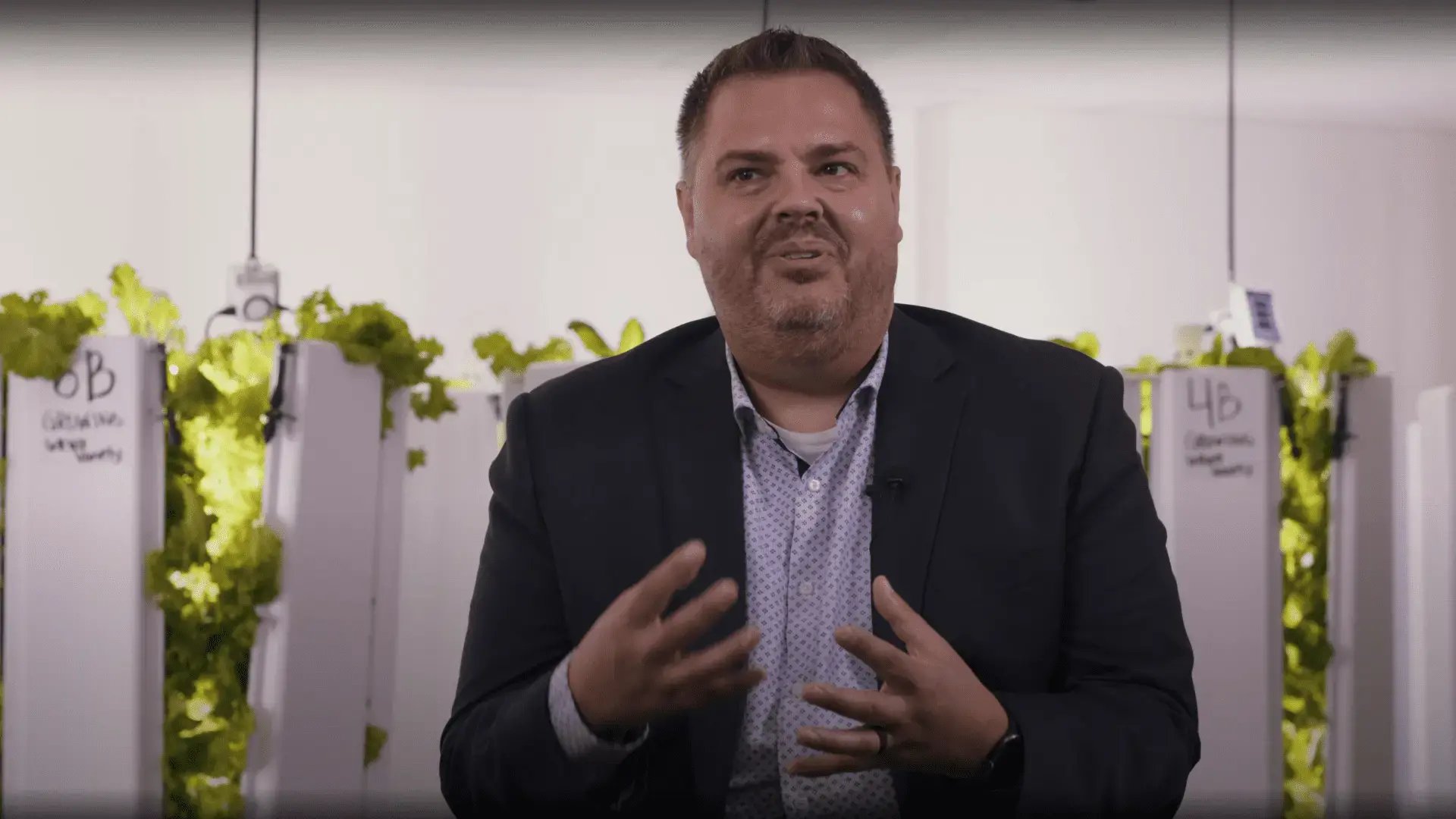
At the FFA National Convention, we met Cheyenne Thompson who told us all about her experience growing cranberries in a Flex Farm. Fascinating!
"I was intrigued by the thought of being able to propagate cranberries in a hydroponic system after a presentation I saw about Wisconsin's cranberry industry. Cranberry farms across the state have existed for decades, and are the type of agribusiness that you inherit. This is because of their environmental needs as a crop. They are grown on vines located in semi-sandy marshes, and the same vines are used to produce fruit year after year. Because of these specific needs, and longevity of vines, they aren't started anywhere else. But being grown in large bodies of water made me question whether or not they could be propagated in a hydroponic system. I talked to my advisor Amelia Hayden about experimenting with this method of propagation and she showed up cranberry vines shortly after. As I researched, I found studies of using mycorrhizal fungi to supplement root growth of cranberries in hydroponics systems. I'm testing cranberry cuttings in hydroponic systems both with and without the fungus in comparison to each other and their soil counterparts.
My initial prediction was that the cuttings wouldn't survive the hydroponic system without the fungus. However, the cranberries look more alive than ever! But I was right in that the fungus would have an impact on the cuttings. It may be small, but I had a millimeter of root growth on a cutting with fungi treatment after 3 weeks! I plan to continue my collection of data for as long as possible to see how long it takes for the cranberries to develop roots.
The Fork Farm hydroponic systems have been so amazing to use. I'm really grateful and excited to have this opportunity to use this equipment for my experiment. I hope that my research helps others understand the capabilities of hydroponic systems and how they can serve our society." ~ Cheyenne Thompson
We were also excited to hear how students are incorporating their Flex Farm experiences into their Supervised Agricultural Experience (SAE) projects. These projects give FFA members opportunities to apply classroom learning to real-world agricultural challenges, develop technical skills, and take ownership of their work.
From monitoring plant growth and experimenting with growing conditions to exploring new applications for hydroponic technology, students are building valuable skills that extend far beyond the classroom.
Across the country, FFA chapters are using Fork Farms technology to connect agricultural education with community impact. These experiences show how growing food can open the door to learning about science, technology, entrepreneurship, sustainability, and leadership.
And perhaps most importantly, students get to see the results of their work firsthand, from planting a seedling to harvesting fresh food that can make a difference in someone's day.
We left Indianapolis inspired by the students, educators, and FFA leaders we met. Their energy, creativity, and willingness to try new things remind us why we're so passionate about making fresh food growing accessible to everyone.
A big thank-you to everyone who stopped by the Fork Farms booth, shared their growing stories, asked great questions, or simply came to check out the lettuce pants! We can't wait to see what this next generation of agricultural innovators grows next.
Want to bring hands-on hydroponic growing to your FFA chapter or classroom? Explore how Fork Farms supports FFA programs and discover what's possible when students get growing.
Important Links: