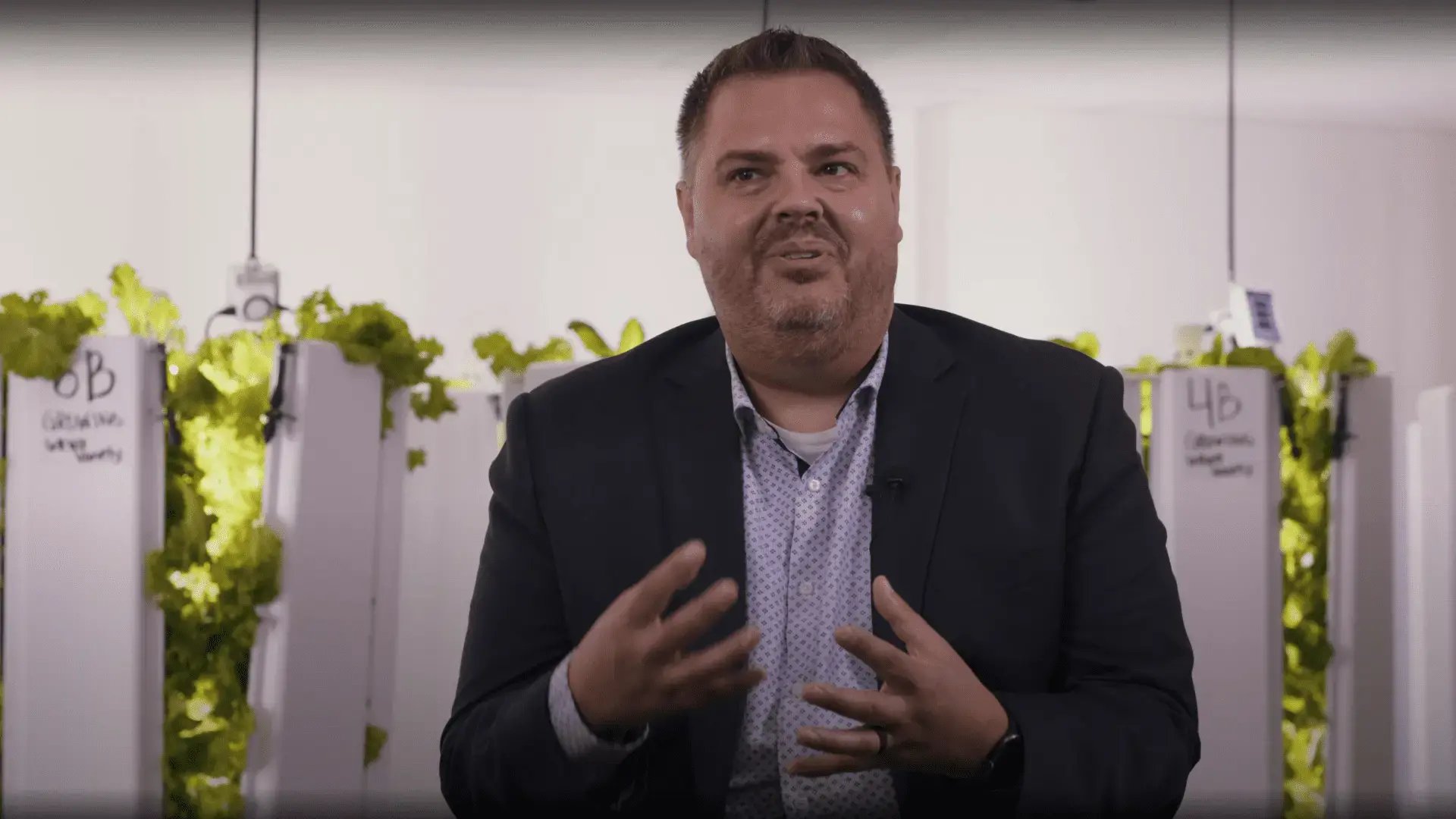
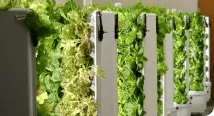










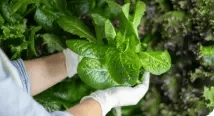
Growing food where people live, learn, work, heal, and gather gives communities greater visibility into how food is grown, harvested, and served.
By Alex Tyink, Founder & CEO Fork Farms
Fresh food should not have to travel through a maze before it reaches your plate. But, that is how most of our food system works. Produce leaves a farm, gets loaded onto a truck, moves through a warehouse, sits in cold storage, passes through a distribution center, and eventually lands in a kitchen. By the time it arrives, some pretty basic questions become surprisingly hard to answer:
- Where was it grown?
- What was used to grow it?
- When was it harvested?
- How many times did someone handle it?
We can do better. Food can be grown where people already live, learn, work, heal, and gather.
At Fork Farms, we believe where food is grown matters just as much as how it is grown.
Today, more than 5,000 organizations across all 50 states and 22 countries are using Fork Farms technology to grow food in schools, hospitals, food banks, workplaces, community centers, and senior living communities.
Together, they're growing nearly 2 million pounds of fresh food each year, many of them for less than $1 per pound. We’re a food access technology company who believes local food production shouldn't be a luxury. It can compete with wholesale pricing while giving communities more freshness, visibility, and control over what they serve.
Why This Matters
How confident are you in the food on your plate?
For most of us, it's difficult to answer simple questions about the produce we eat. Where was it grown? What was used to grow it? When was it harvested? How many times was it handled before it reached the kitchen?
While no single solution can answer every question about our food system, growing food where it is served gives communities a level of visibility and control that traditional supply chains often cannot.
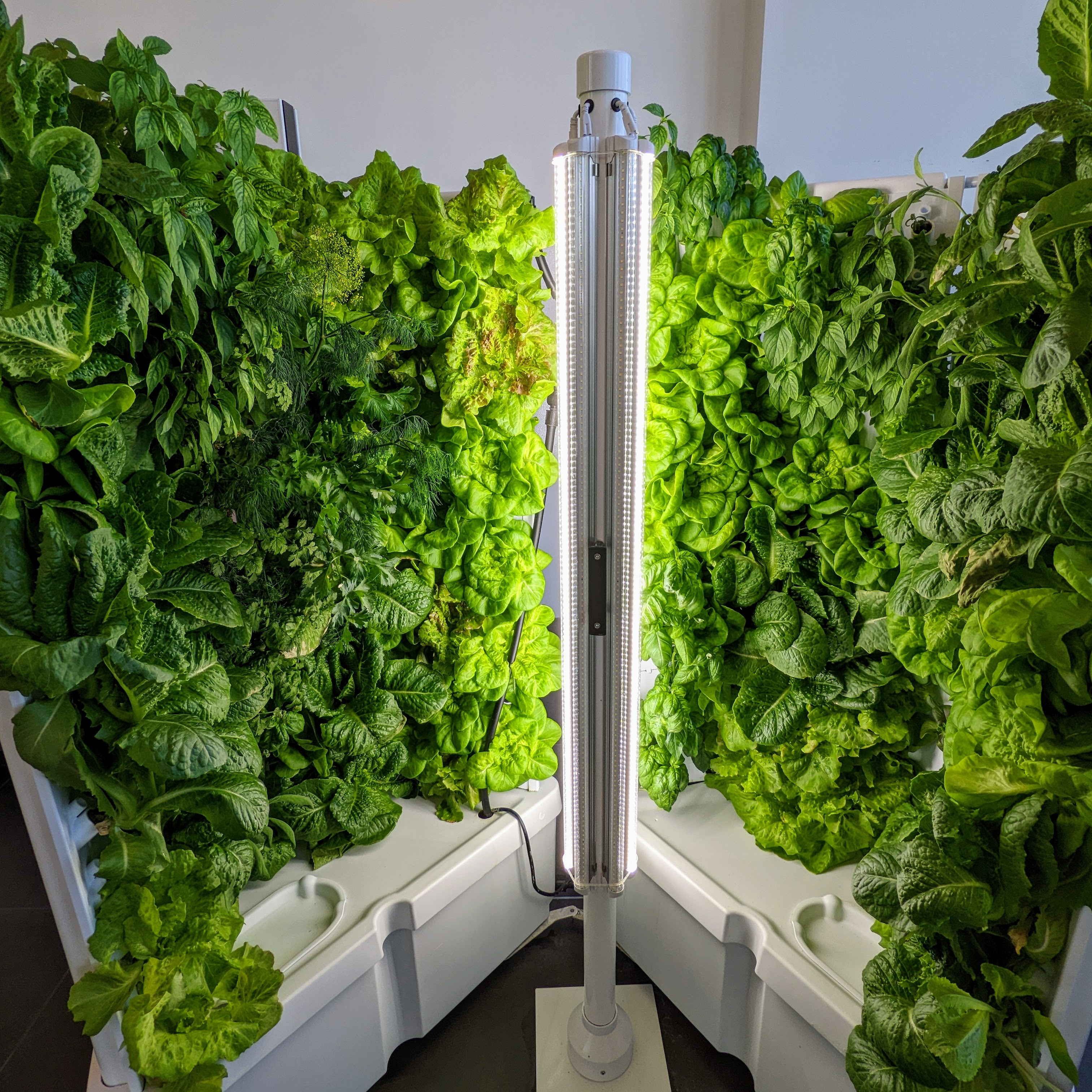
Here are five ways growing food on-site can help organizations serve food with greater confidence.
1. You Know What Goes Into It
When produce moves through a long supply chain, visibility disappears quickly.
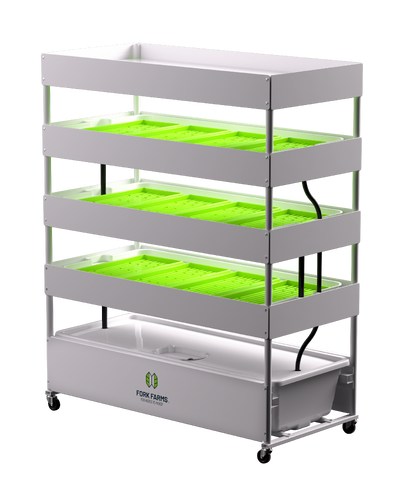
With a Flex Farm or Flex Acre, the people serving the food are often the same people growing it. They manage the water, the nutrients, the lighting, and the growing conditions. The process is visible, accessible, and easy to ask questions about. And because food is grown in a clean, controlled environment, pesticide use can be reduced or eliminated entirely.
The Wisconsin PureGrow Project put this to the test. Through a collaboration between UW–Stevens Point at Marshfield, Sanford Health Marshfield Clinic, and Fork Farms, romaine grown in Flex Acre systems was independently analyzed and found to contain heavy metals at levels 200 times below European safety limits. That's not a marketing claim. That's independent data showing how clean this food can be when you control the environment it grows in.
2. Food Travels Feet, Not Miles
Conventional produce often relies on trucks, warehouses, distribution centers, packaging, and cold storage, racking up serious miles before it ever reaches a kitchen. The average piece of produce can travel 2,000 miles before it's consumed.
At Fork Farms, we like transparency. When food is grown onsite, that entire chain can shrink to a few feet. Food is planted, grown, harvested, and served in one place. With our Flex Farm and Flex Acre systems, fresh greens can move from harvest to plate within minutes.
People shouldn't have to trace their food through a complicated system to feel good about eating it. They should be able to see it growing with their own eyes.
The good news is that food grown onsite can be served. The FDA Food Code doesn't require produce to come through a traditional distributor. It requires food to come from a source that complies with applicable law. When an organization follows its state and local food-safety requirements, onsite-grown produce can be part of the food it serves. The path from farm to plate never has to run through a warehouse.
3. Freshness and Nutrition Are Easier to Protect
Once produce is harvested, the clock starts. The longer it spends in transportation and storage, the farther it moves from peak freshness and peak nutrition.
Growing onsite allows food-service teams to harvest what they need, when they need it, and serve it shortly afterward.
Independent testing from the Wisconsin PureGrow Project found that romaine grown in Fork Farms systems contained:
- 83% more magnesium
- 65% more calcium
than USDA FoodData Central benchmarks for conventionally grown romaine*.
The same testing found the lettuce exceeded conventional benchmarks for both nutrient density and purity, and was deemed a Superfood!
When food is grown where it's consumed, freshness isn't a vague promise on a package. You know exactly when it was harvested because you can be a part of the growing process from start to finish.
4. Communities Build Their Own Source of Fresh Food
Snowstorms delay trucks. Extreme heat damages crops. Fuel prices rise and supply chains break down. When that happens, schools, hospitals, food pantries, and community organizations are often the first to feel it. They are left making difficult choices between cost, quality, freshness, and consistency.
Indoor growing gives communities another option. The Flex Farm and Flex Acre hydroponic growing systems allow organizations to grow fresh food year-round in a controlled environment, regardless of the season or weather outside. These systems don't replace the entire food supply, but they give communities a dependable, manageable source of fresh produce they can count on. They know where the next harvest is coming from because it is growing right in front of them.
5. Communities Take Back Control
In the conventional food system, communities are largely limited to whatever arrives on the truck. There's not much say in what gets grown, when it's harvested, or how it's used.
Local growing changes that equation. Students can participate in the growing process. Food-service teams can plan harvests around their menus. Hospitals can connect fresh food directly to health and wellness programs. Senior living communities can bring residents together around a shared harvest. Food banks can offer fresh produce grown steps away from the people they serve.
This is what transparency actually looks like in practice. People are given the opportunity to see food grow, understand the process, ask questions, and have a real role in the outcome.
Bringing Food Production Closer to People
Our food system was built for scale and long-distance distribution. It moves a lot of food around the country, but it also creates a lot of distance between communities and what they eat, between growers and the people they're feeding, between the farm and the plate.
Closing that distance is the work we're doing at Fork Farms. When food is grown where it's needed, communities get a clearer picture of how it was grown, more control over what goes into it, and greater confidence in what they're serving. That's not a small thing. It's a fundamentally different relationship with food, and it's available right now, in any building, in any season, anywhere in the country.
To learn more about fresh, local, consistent fresh food production, reach out to Fork Farms today. We’re here to help give more people more access to fresh food.
About the Author
Alex Tyink is the Founder and CEO of Fork Farms, a food access technology company building the infrastructure that enables organizations to grow fresh food where it is consumed. Under his leadership, Fork Farms has partnered with more than 5,000 schools, hospitals, food pantries, and corporations to bring affordable, on-site food production closer to the communities they serve.
Tyink is focused on reshaping how fresh food is produced by moving it closer to where it’s grown, prepared, and used every day. Connect with him on LinkedIn.
*Sources:
- Mérieux NutriSciences Certificates of Analysis: CHG-50124592-0 & CHG-50131651-0
- European Commission Regulation (EU) 2023/915 of 25 April 2023 on maximum levels for certain contaminants in food.
- U.S. Department of Agriculture, Agricultural Research Service. FoodData Central, 2019.
Important Links: