









For schools across the country, serving fresh food has never been more important, or more complicated.
Rising food costs, unpredictable deliveries, and ongoing supply chain disruptions have made it harder for school nutrition teams to do what they want to do most, which is to consistently serve students healthy, high-quality meals. While fresh produce is essential to student health and learning, it’s also one of the most volatile and waste-prone line items in a school food budget.
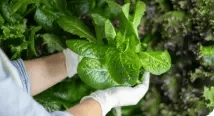
But some schools are changing the equation entirely by growing fresh food on-site, all year long via hydroponics.
School nutrition programs are navigating a perfect storm as produce prices continue to rise year over year, supply chain disruptions cause delays and shortages, and seasonal availability impacts both price and quality.
Even when produce arrives, it’s often already lost valuable shelf life due to transportation miles and time. Conventionally-grown produce typically travels an average of 2,000 miles before it’s consumed. The result? Higher costs, inconsistent menus, and increased waste all within already tight budgets.
The true cost of fresh food goes beyond the invoice. Schools also contend with spoilage from short shelf life, rising transportation costs, labor inefficiencies from constant menu changes, and inconsistent quality that drives student rejection and food waste. These hidden costs add up quickly, and they make long-term planning nearly impossible.
A smarter, more stable idea is to grow food on-site!
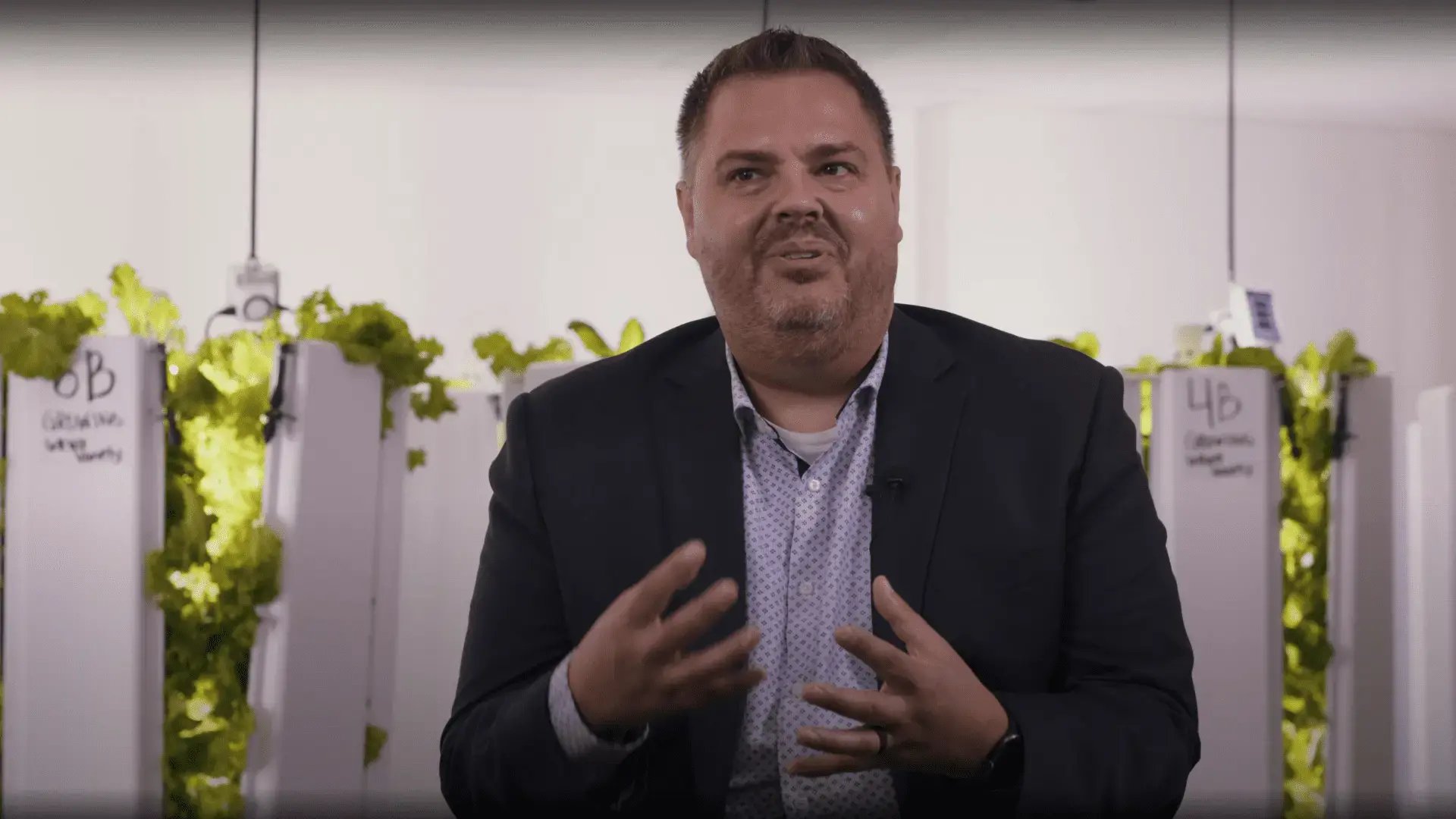
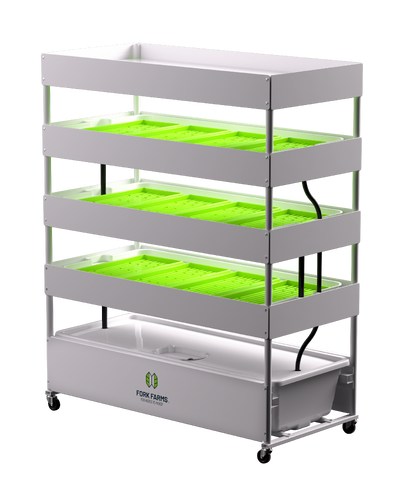
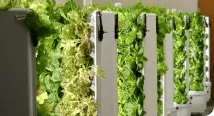
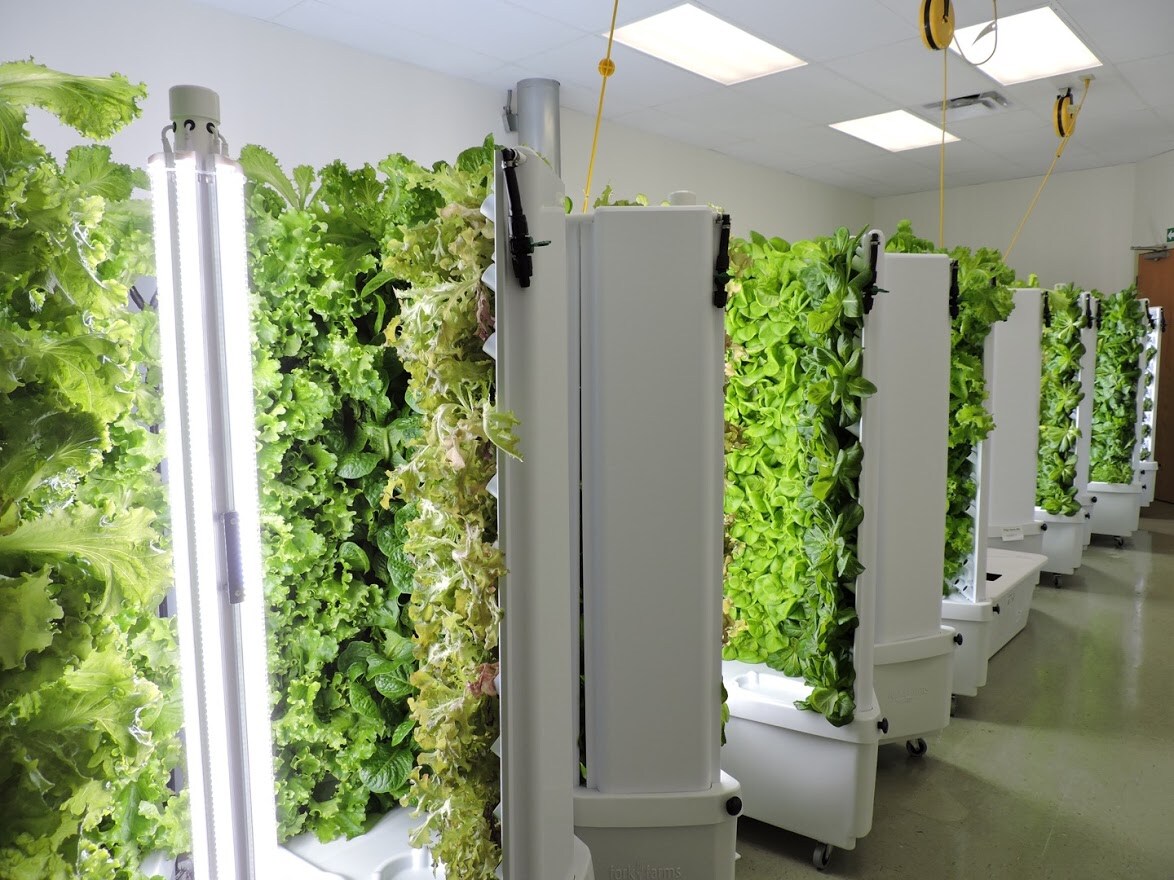
More schools and districts are turning to on-site hydroponic growing to regain control over their food systems. With Flex Farms, schools can grow fresh greens indoors, year-round — right where students learn and eat. This model creates meaningful operational advantages such as:
- Predictable yields, that allow nutrition teams to plan menus with confidence
- Reduced waste, since food is harvested when it’s needed
- Budget stability, with fewer surprises tied to market fluctuations or shipping delays.
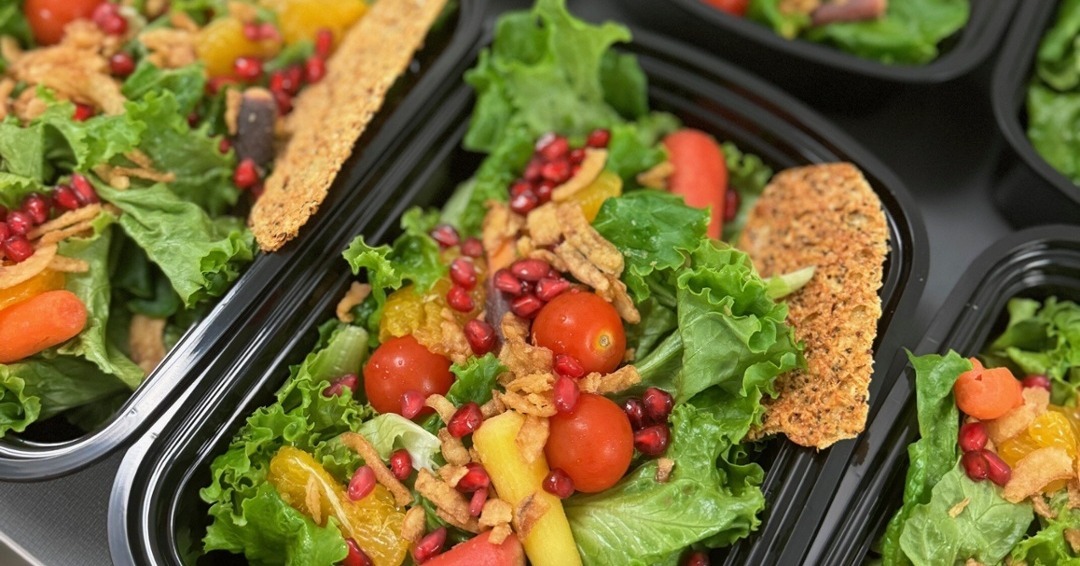
Instead of reacting to supply issues, schools can proactively plan, knowing exactly what’s growing, when it will be harvested, and how it will be used.
Plus, the value of growing food on-site extends well beyond the cafeteria.
Flex Farms double as hands-on learning tools, integrating seamlessly into classrooms and curricula. Students engage with real-world lessons in STEM and plant science, nutrition and health, and sustainability and agriculture. This educational return on investment transforms a food expense into a multi-purpose asset supporting academic outcomes while reinforcing healthy eating habits.
Fork Farms is on a mission to create a food system schools can rely on, one that’s resilient, predictable, and aligned with long-term wellness goals. By growing food on-site, schools aren’t just lowering costs; they’re making fresh food sustainable for the long haul.
Contact Fork Farms today to learn more about rethinking how fresh food is grown.
Important Links: