










Every year, the School Nutrition Association's Annual National Conference (ANC) brings together the people shaping the future of school meals. This year's conference in Charlotte, North Carolina, was no exception. Thousands of school nutrition professionals gathered to share ideas, discover new solutions, and explore innovative ways to serve healthier meals to students.
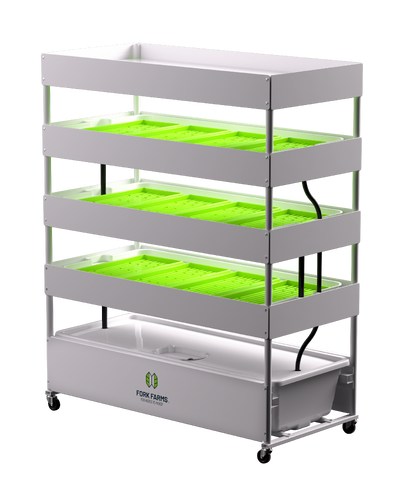
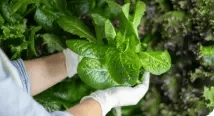
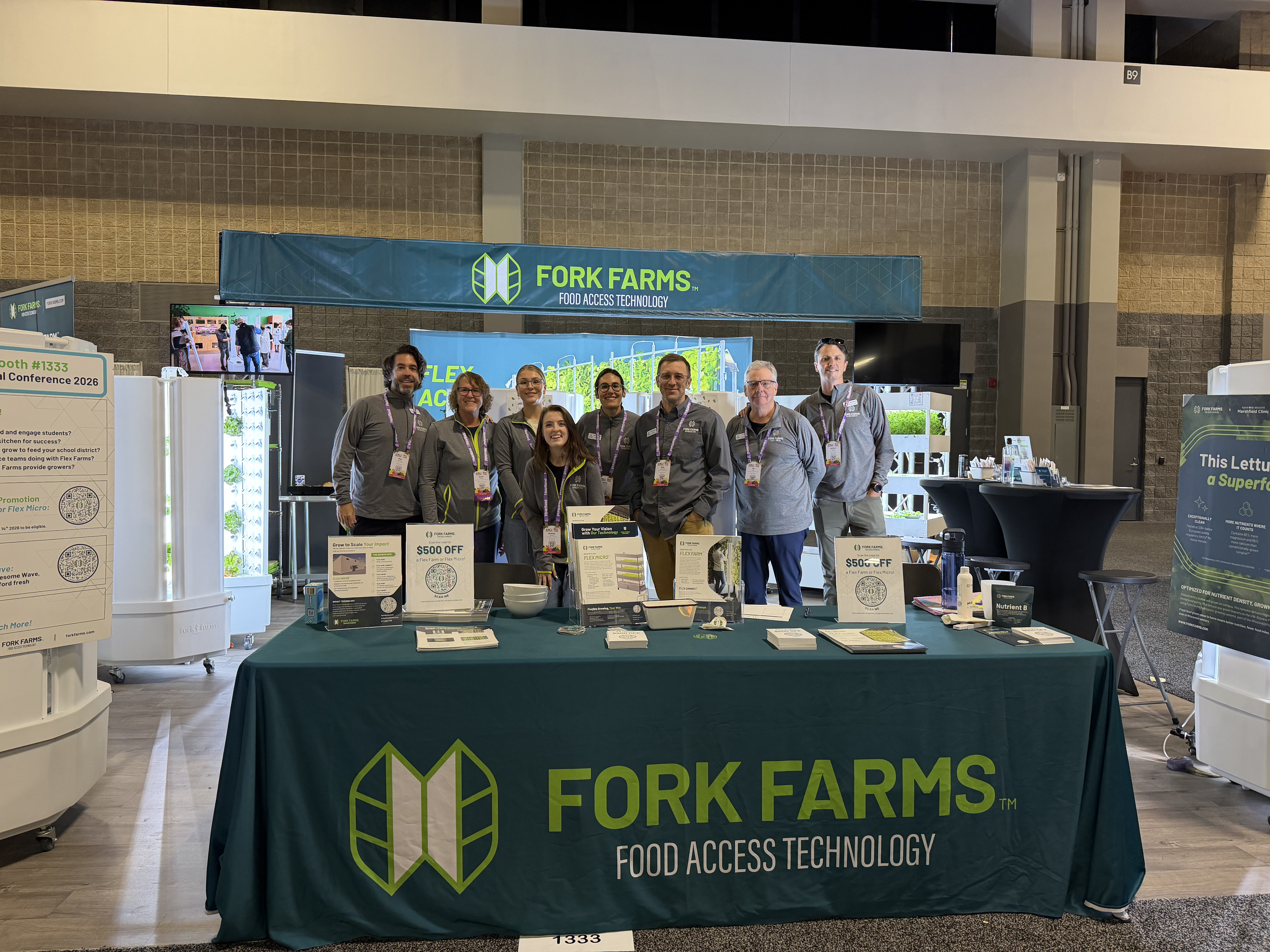
For Fork Farms, ANC 2026 was an opportunity to showcase what happens when fresh food is grown where it’s eaten. At our blooming and interactive booth, attendees experienced firsthand how indoor hydroponic farming is transforming school nutrition. We showcased five Flex Farms and a Flex Micro, complete with thriving leafy greens and microgreens, alongside a cafeteria-inspired kitchen display that demonstrated just how easy it is to harvest, store, and serve fresh produce grown right inside the school.
The conversations throughout the conference reinforced what we're hearing across the country: school nutrition leaders are looking for practical, scalable ways to increase fresh food offerings, reduce dependence on lengthy supply chains, and increase participation by engaging students in growing food that will be used in school meals.
Growing Projects That Work
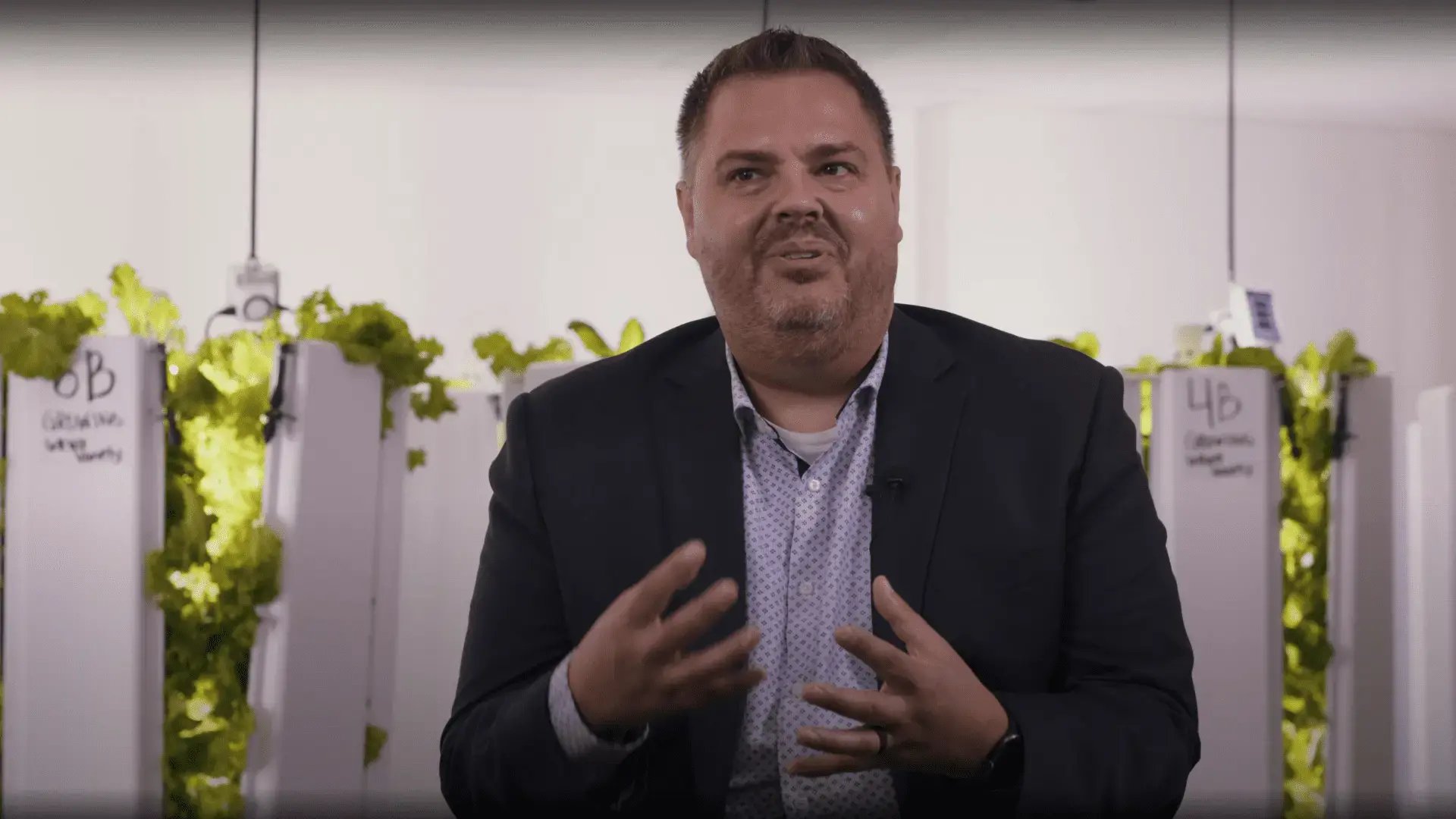
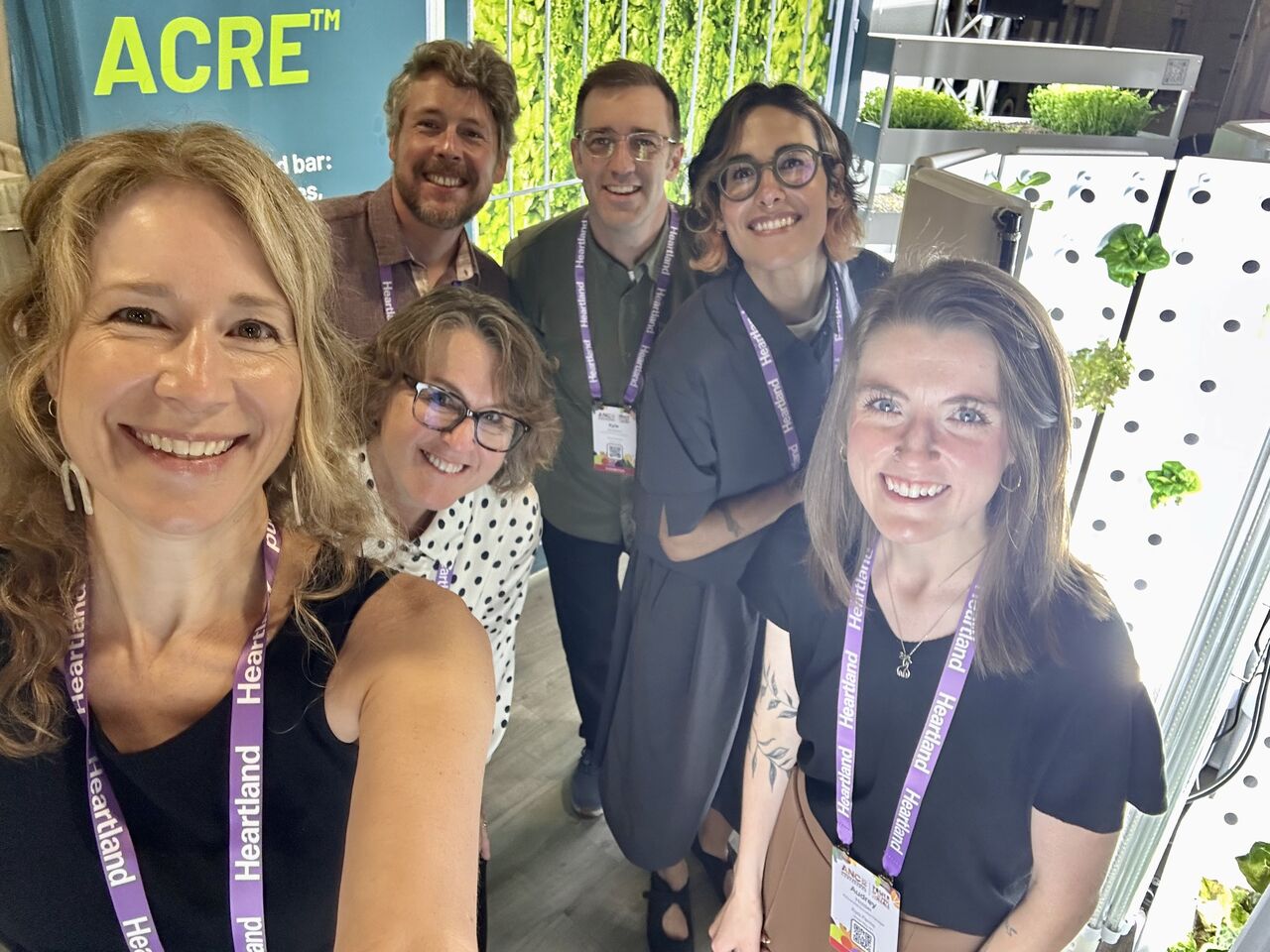
One of the highlights of the conference was Fork Farms' educational session, "Growing Projects That Work: Project Management on Hydroponics, STEM & Nutrition Education," led by School Food Service Strategist Sue Malesa.
The session focused on what it really takes to build a successful school growing program, from securing stakeholder buy-in and integrating hydroponics into cafeteria operations to connecting indoor farming with STEM education and student engagement.
More importantly, attendees heard directly from school nutrition leaders who are making these programs successful every day.
A special thank you to our valued partners, Caitlin Harrison of Elmbrook Schools, Ginni Vaccaro of Mentor Public Schools, and Alena B. (formerly of Lodi Unified School District) for joining the conversation and sharing real-world strategies for building sustainable growing programs that positively impact students, staff, and entire school communities. Their experiences demonstrated that every successful program looks a little different, but they all begin with a shared commitment to giving students greater access to fresh, nutritious food.
Following the panel discussion, the attendees broke into small groups for discussion. Members of the Fork Farms team facilitated the groups, which discussed the "pain points" and hurdles in their current projects. Groups brainstormed potential collaborators in their school districts who could enhance their projects and increase student engagement. Attendees exchanged ideas and noted them in a provided strategic planning document. This takeaway provided a tangible resource to review once they return to their districts.
More Than Fresh Greens Theme
One of the biggest themes throughout ANC was that growing food in schools is about much more than producing lettuce.
When students participate in growing their own food, something remarkable happens. They become curious. They ask questions. They're more willing to try fresh vegetables they've helped grow. School districts consistently report increased participation at salad bars and less food waste when students have a connection to what's on their plate.
At the same time, schools are creating authentic, hands-on learning experiences that bring science, nutrition, agriculture, sustainability, and career exploration together in meaningful ways.
Growing food isn't just improving school meals; it's changing students' relationship with food.
Investing in More School Growing Programs
Fork Farms was also proud to partner with the School Nutrition Foundation as an official Equipment Grant sponsor.
Through this partnership, four school districts will receive their own Flex Farm systems to expand access to fresh, student-grown produce. Each system is capable of producing more than 394 pounds of leafy greens annually, helping schools incorporate hyper-local produce into scratch-made meals while creating engaging educational opportunities for students.
We're excited to see these new growing programs take root and look forward to following their journeys. Together, we're proving that the future of school nutrition isn't hundreds or thousands of miles away, it's growing right down the hall.
Special thanks to Sue Malesa, Vice President, Culinary and Food Service with Fork Farms, who has been in the school foodservice industry and involved in the School Nutrition Association for more than 25 years for her expert advice throughout the years.
Important Links: