










Important Links:



Subscribe to the Get Growing Blog
A new year invites reflection, renewal, and a chance to build healthier habits. In 2026, that fresh start comes with timely guidance at the national level. The newly released Dietary Guidelines for Americans, 2025–2030 mark what many are calling the most significant reset of federal nutrition policy in decades — delivering a clear, common-sense message: eat real food.
At Fork Farms, this message isn’t new—it’s exactly what we help schools, communities, and organizations do every day.
Why the New Guidelines Matter
The updated Dietary Guidelines emphasize a return to whole, nutrient-dense foods, including vegetables, fruits, protein, dairy, healthy fats, and whole grains, while urging Americans to dramatically reduce highly processed foods. This shift reflects the urgency of the moment.
The U.S. is facing a national health crisis:
Diet-driven chronic disease is no longer just a public health concern—it impacts educational outcomes, workforce readiness, and long-term opportunity.
As the Guidelines make clear, improving health starts with improving access to real food.
Where Hydroponics Fits In
Hydroponic farming plays a powerful role in a well-rounded, achievable nutritional diet. With indoor, controlled-environment growing, hydroponics allows fresh food to be grown:
- Year-round, regardless of climate or season
- Without pesticides
- Closer to where people live, learn, and eat
- Using significantly less water and space than traditional agriculture.
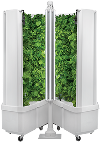
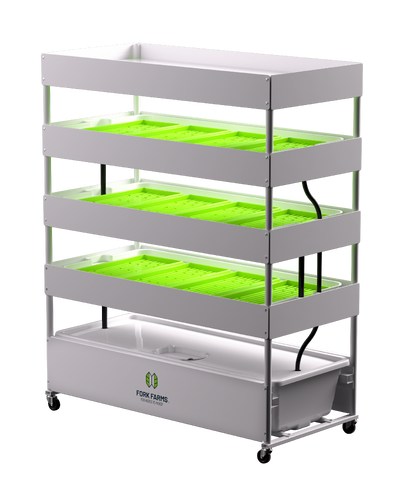
Fork Farms’ Flex Farm and Flex Acre systems bring this capability directly into schools, community centers, healthcare facilities, and other shared spaces—making fresh vegetables part of everyday life, not a special occasion.
Dietary guidelines from many sources stress the importance of vegetables and nutrient-dense foods. Hydroponic systems make it possible to grow these foods on-site, often just steps away from where they’re served.
In schools, this means:
In communities and healthcare settings, it means:
Real changes in an equitable food system happen when fresh food is accessible, visible, and part of everyday routines. Hydroponics helps close the gap between what we know we should eat and what’s actually available.
As we move into this New Year, Fork Farms remains committed to empowering schools and communities to grow real food, support better health outcomes, and inspire the next generation to see fresh food not as an exception—but as the norm.
When real food is within reach, healthier futures are too. Find out how you can be a leader, act now, and define that future by contacting Fork Farms.
Fork Farms offers the most efficient, scalable, and transformative indoor, vertical hydroponic technology on the planet.
Our most popular product, the Flex Farm is available for purchase directly from our website.
The Flex Farm is $4,995 and can be used in spaces from classrooms, food pantries, lunchrooms, businesses, non-profits, homes, and beyond!
Talk to a Team Member: If you are looking for more information, connect with one of our team members using the form and they will be in touch to talk all things Fork Farms.
Buy Online: You can purchase a Flex Farm, which includes three months of growing supplies, curriculum, growing resources, community and more.