


Grow Food At School This Year!

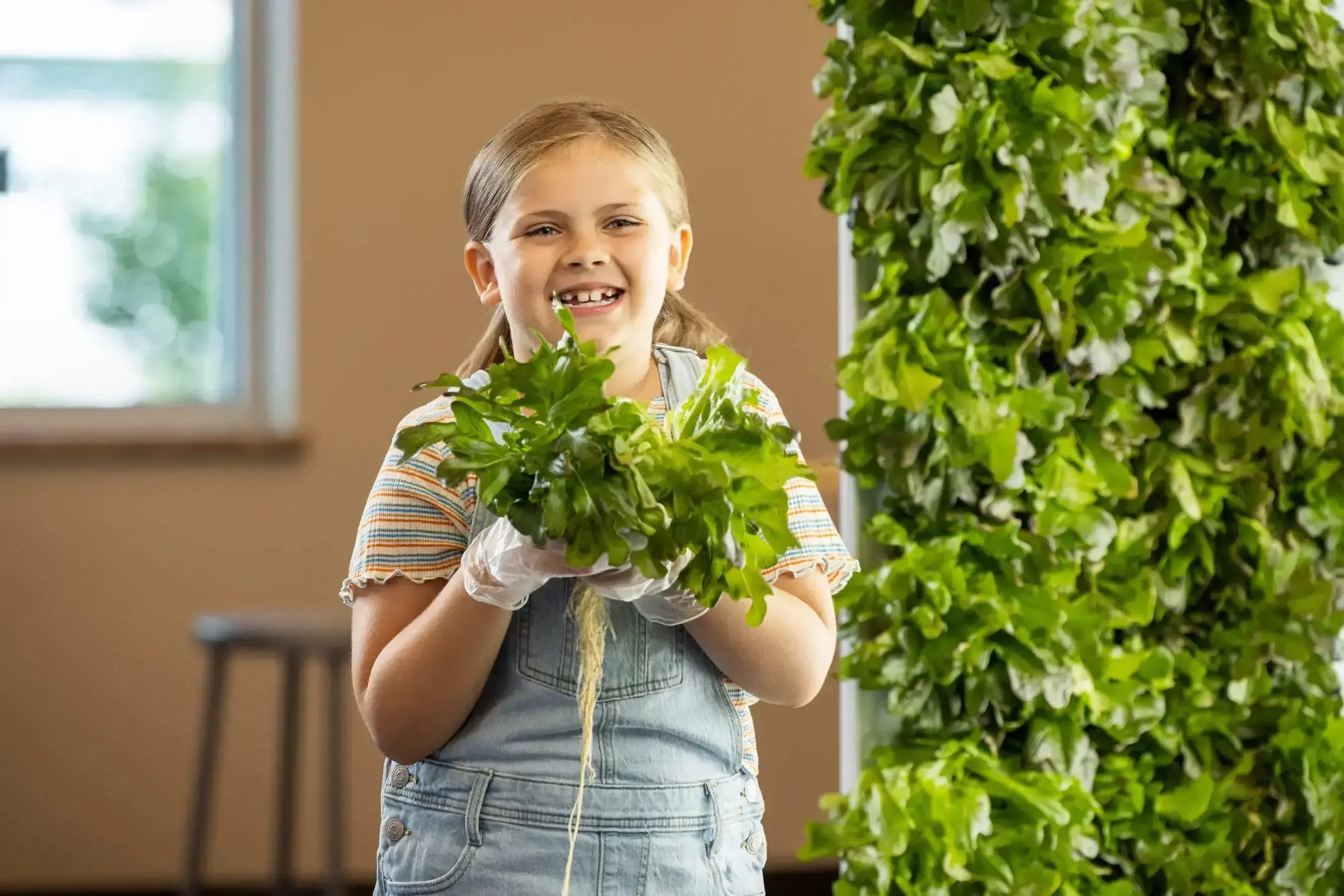
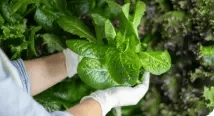
Kid Holding Harvest

Download Your School Implementation Guide

Learn How Hydroponics Can Work At Your School

Designed for school administrators, teachers, and nutrition professionals, the guide walks schools through every step, from setting goals and choosing the right location to launching a successful program and expanding over time.

You don't have to figure it out alone. Fork Farms is here to help every step of the way! Book a meeting with us to learn more about how you can start growing fresh food in your school.

Kid Planting Seeds

Access to fresh food is a human right

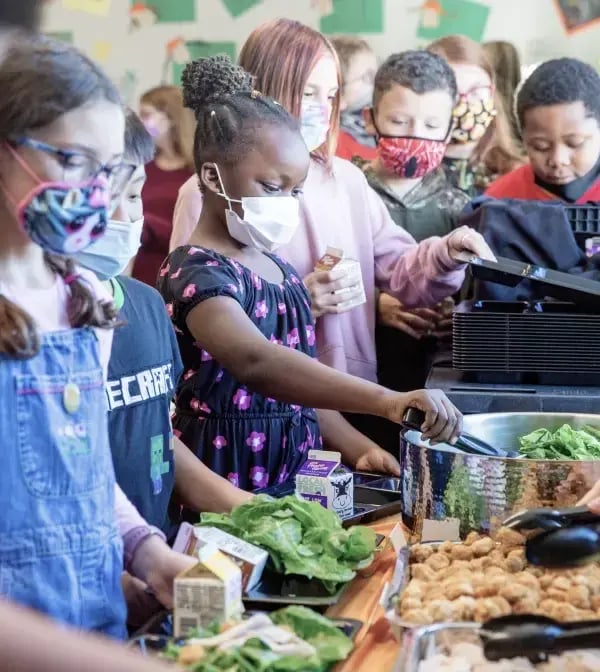
There is no excuse for children to go hungry in America. Yet it happens every day, in every community. Today, there are an estimated 17 million children struggling with hunger. That’s 6 million more than before the pandemic – 2.7 million more families.

Facing hunger also means making sacrifices. Studies show that 84% of households served by a national hunger relief organization reported buying the cheapest food — instead of nutritious food — in order to provide enough to eat.

Flex Farm growers have…

PROVIDED OVER
PROVIDED OVER

1.2 million servings of fresh food each year

PROVIDED OVER
PROVIDED OVER

1.2 million servings of fresh food each year

PROVIDED OVER
PROVIDED OVER

1.2 million servings of fresh food each year

Hear more from those impacted

“I hope students working with the Flex Farm experience the happiness and joy I have in seeing their seedlings grow. I also hope it inspires many people – both students and teachers – to make a difference in the world, help us change for the better.”

Student
Lake Bluff Elementary, Shorewood, WI

 “This was such an authentic project-based learning experience for the kids. For them to be able to grow produce and brainstorm what we could do with that produce to make a difference in our world was really powerful.”  

Innovation Teacher
Rachel Sebastian

 “I have never been this excited about vegetables! Don’t get me wrong, there have been challenges, but the opportunity to grow and care for our own vegetables in our Flex Farm system, right at our school, has been rewarding all on its own.” 

FFA Student
Rockridge High School

Frequently Asked Questions

What is hydroponic farming?

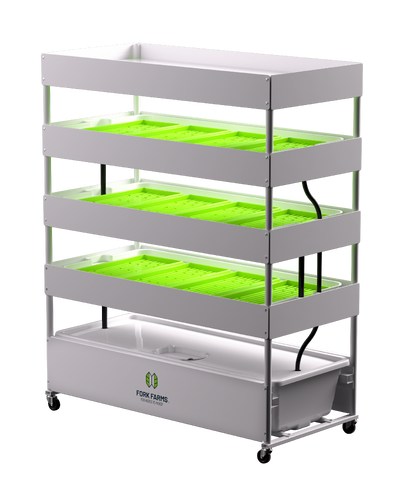
Hydroponics: The “hydro,” or “water,” is key to growing in this form. Hydroponic farms do not use soil but do have a growing medium, such as Rockwool. Hydroponic plants need nutrients and can be grown in vertical racks, towers, or vertical panels.

Who is the Flex Farm for?

Fork Farms believes that anyone can be a farmer. The Flex Farm is for anyone with a desire to grow highly nutritious, chemical-free, fresh food year-round, indoors. Its compact size and high yield capacity make it the perfect fit for educational institutions, culinary operations, healthcare organizations, nonprofits, families and more. Indoor farming is revolutionizing the way we bring fresh and healthy food to our communities.

What can I grow in a Flex Farm?

The Flex Farm is optimized to grow all varieties of leafy greens such as lettuces and culinary herbs. Our partners have seen success growing cucumbers, strawberries, peppers, tomatoes and even pumpkins. Imagination and experimentation are the keys to unlocking the full potential. We’re still making discoveries ourselves!

How many pounds of food can I grow in a Flex Farm?

That all depends on what you plant! Some plant varieties weigh more than others. It also depends if you are growing leafy greens, herbs, or fruiting plants such as strawberries and tomatoes. Overall, we say a Flex Farm has the capacity to grow more than 20 pounds of leafy greens every 28 day grow cycle.

How much time does it take to maintain a Flex Farm?

On average, you can expect to spend about 1 – 3 hours per month maintaining your Flex Farm. This includes the time it takes to plant seeds, transplant your seedlings, and harvesting.

Is hydroponically grown food safe to eat?

Yes. Hydroponically grown produce is safe to grow and eat when standard food safety practices are followed. The FDA Food Code supports on-site growing in schools, healthcare facilities, senior living communities, and other food service settings, recognizing hydroponic systems as growing equipment rather than food-contact surfaces. Because food is grown indoors in a controlled environment, organizations have greater control over water quality, growing conditions, sanitation, and traceability from seed to harvest.

Food also moves from seed to plate with fewer handling and transportation steps, reducing opportunities for contamination. Fork Farms supports every partner with Good Agricultural Practices (GAP)-based growing guidance, food safety resources, staff training, and ongoing technical support through Farmative™, our online community of growers. Independent testing has also demonstrated the quality of Fork Farms produce, with heavy metal levels found to be approximately 200 times below European safety limits, while health departments across the country have approved hydroponically grown produce for food service when proper growing, harvesting, washing, and handling procedures are followed.

Do you provide fundraising resources for nonprofits?

Absolutely. We are experienced in helping organizations connect with funding opportunities. We offer a Philanthropy Tool Kit and fundraising assistance for qualifying organizations. Contact us at info@forkfarms.com.

What is Farmative and how can I get access?

Farmative is a digital platform for you to engage with transformative tools and our global community. Through Farmative, you can access growing and programming resources, purchase grow supplies online, and connect with other Fork Farms partners. Farmative is free for all Flex Farm users.

How much energy does it take to run a Flex Farm?

Each Flex Farm requires a 40W pump which runs continuously, and six LED lights which each draw 40W for an average of 18 hours daily. Therefore, at any given time, you’re only ever drawing 280W per Flex Farm. Each Flex Farm uses 158 kWh/month if run based on our recommendations.

How can I get a Flex Farm?

Flex Farms can be ordered directly through our website at https://forkfarms.com/flex-farm/ or through one of our Partnership Development Team Members.

If you’d like to order a Flex Farm through one of our team members, please reach out through our chat function on the website, or by email at info@forkfarms.com.

How much does it cost to operate a Flex Farm?

At the national average of $0.13 per kWh, it costs approximately $20.59 per month in electricity to operate a Flex Farm for the recommended 18 hours per daylight cycle. Other costs include growing supplies such as seeds, nutrients, and Rockwool (grow medium). On average, most people budget about $300 per year.    

What’s included in the Flex Farm?

Each Flex Farm comes with everything you need to start growing for your first few months, hardware and growing supplies included. Plus, your purchase includes free access to Farmative, our digital platform to access growing resources and connect with the Flex Farm community. Learn more about the Flex Farm here.

What do you charge for shipping?

A standard flat rate shipping charge of $150 per Flex Farm is applied to contiguous continental United States orders. Additional shipping charges apply to orders shipped to Alaska, Hawaii, and beyond. Shipping charges are calculated and applied during checkout. If you are located outside the Continental US or to request expedited shipping, please request a shipping quote by emailing info@forkfarms.com.

Is Fork Farms on social media?

Yes - stay connected with us and up to date on all the latest Fork Farms news! 
https://www.linkedin.com/company/fork-farms: Fork Farms on LinkedIn
https://www.facebook.com/ForkFarms/: Fork Farms on Facebook
https://www.tiktok.com/@forkfarms: Fork Farms on TikTok
https://twitter.com/ForkFarms: Fork Farms on Twitter
https://www.instagram.com/forkfarms: Fork Farms on Instagram