










Important Links:



Subscribe to the Get Growing Blog
Hunger Action Month (September) is a time to shine a light on food insecurity, and on the people and organizations working every day to make fresh, nutritious food more accessible.
At Fork Farms, we’re grateful to work alongside partners across the country who are putting that mission into action in their own communities with the use of hydroponics. They’re growing food in community centers, supportive housing communities, schools, food access hubs and other places where people already live, learn, work and gather.
This Hunger Action Month, three of those partners opened their doors to local media to share what that work looks like up close.
From Blue Island, Illinois, to Napa, California, to St. Paul, Minnesota, each organization is taking a different approach. But they all share a common goal: grow more fresh food, closer to the people who need it.
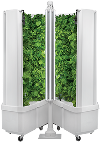
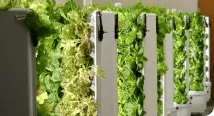
At The Hope Center in Blue Island, six Flex Farm systems and one Flex Micro are helping grow fresh food year-round for local families and food pantries.
Through HOPEfarm and community partnerships, the organization has already grown and donated more than 700 pounds of hydroponically grown produce—creating a local source of fresh food that can keep producing regardless of the season outside.
In recognition of Hunger Action Day, The Hope Center opened its doors to Chicago media to show how the technology works, share the impact of HOPEfarm and help bring greater attention to the need for fresh food access in the community.
The story reached audiences across Chicago through television and print coverage. Check it all out here in the News::
At Abode’s Heritage House, a supportive housing community in Napa, fresh food is being grown just steps from the people who will eat it.
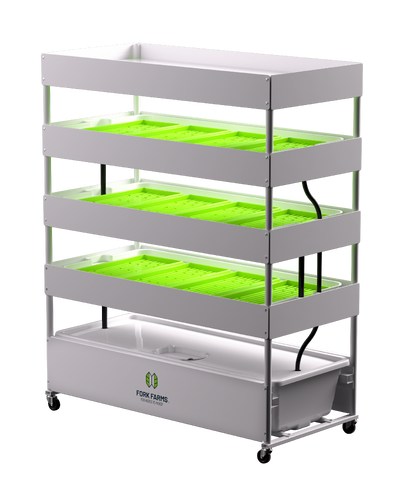
A Flex Farm produces nearly 30 pounds of fresh produce each month for residents, helping provide reliable access to healthy food while also stretching grocery budgets.
For residents, that impact is tangible.
“I’ve come to rely on the food and it really helps us save money,” said Heritage House resident Sherry Allen.
It’s a simple but powerful example of what can happen when fresh food is grown where people already are: fewer barriers to accessing it and a direct connection between growing, harvesting and eating.
In the News: Napa Patch
At the St. Kate’s/CSJ Food Access Hub in St. Paul, an underused basement has been transformed into a year-round source of fresh food.
A collaboration between the Sisters of St. Joseph of Carondelet and St. Catherine University, the Food Access Hub uses seven Flex Farm systems to grow fresh greens, herbs and other produce indoors throughout the year, even during Minnesota’s long winters!
The Hub anticipates growing approximately 2,500 pounds of produce annually, increasing the amount of fresh food available through its distribution system while reducing food loss, packaging and the distance food has to travel.
It’s also an example of how spaces that were never designed as farms can become productive growing environments, and help strengthen a community’s local food system.
Different communities. Different spaces. Different approaches. One shared goal of bringing more fresh food to more people.
That’s what makes these Hunger Action Month stories so meaningful. The Hope Center is growing food to share with families and food pantries. Heritage House is growing food where residents live. The St. Kate’s/CSJ Food Access Hub is turning unused indoor space into a source of fresh produce year-round.
And these are just three examples of the work happening every day across the Fork Farms community.
We’re incredibly grateful to Abode, the St. Kate’s/CSJ Food Access Hub, The Hope Center and all of our partners who are turning that shared goal into action not just during Hunger Action Month, but throughout the year.
They grow it. They harvest it. They share it. And together, we’re helping fresh food travel feet instead of miles.
Fork Farms offers the most efficient, scalable, and transformative indoor, vertical hydroponic technology on the planet.
Our most popular product, the Flex Farm is available for purchase directly from our website.
The Flex Farm is $4,995 and can be used in spaces from classrooms, food pantries, lunchrooms, businesses, non-profits, homes, and beyond!
Talk to a Team Member: If you are looking for more information, connect with one of our team members using the form and they will be in touch to talk all things Fork Farms.
Buy Online: You can purchase a Flex Farm, which includes three months of growing supplies, curriculum, growing resources, community and more.
There are no related posts